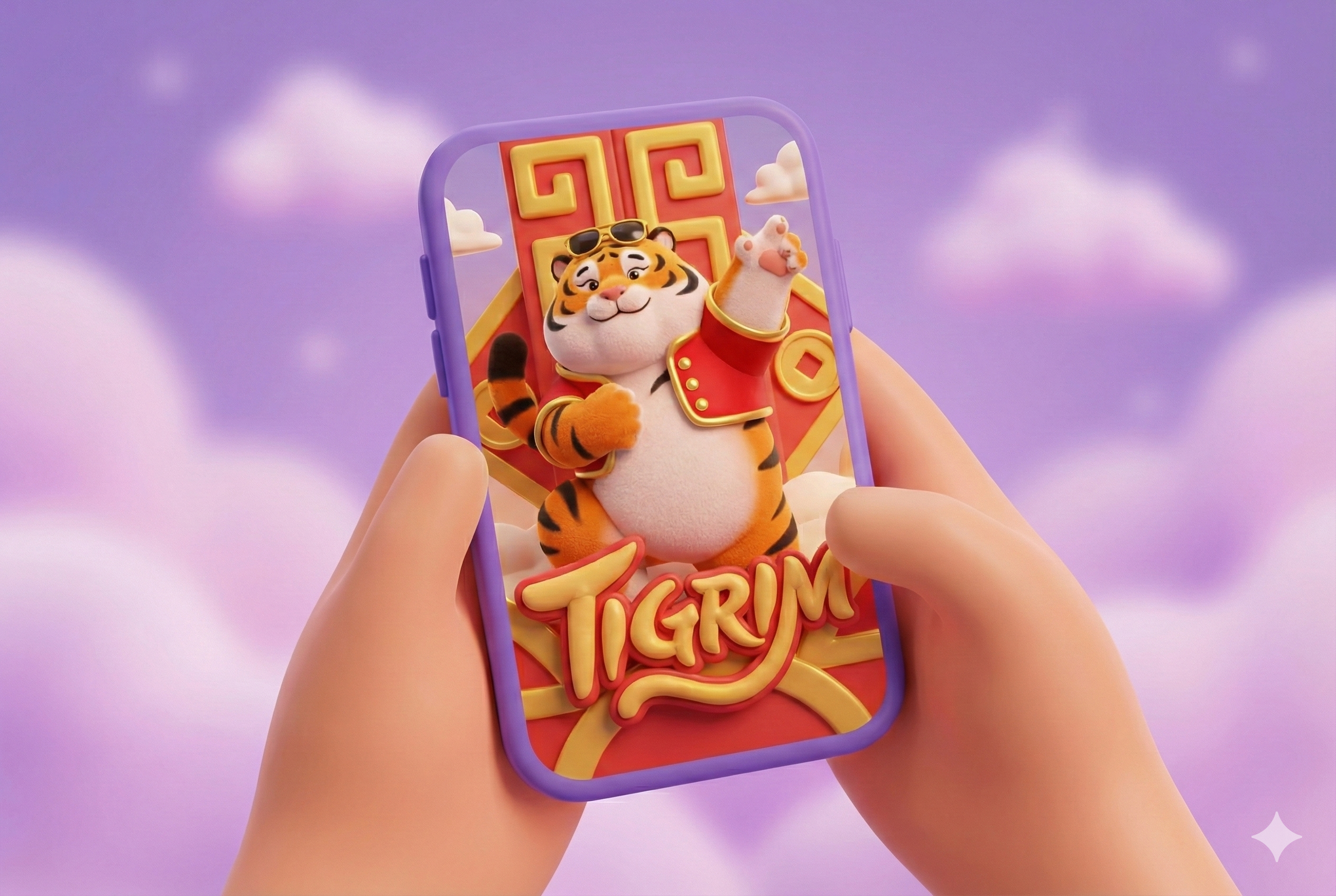
Betting is no longer about chance or luck
For many people, betting started as a pastime. A little game on the phone, a pool with friends, or a "harmless" bet on a soccer site. But over time, what was a distraction became a cycle. You bet, win and get excited, or lose and feel frustrated... and soon you feel the urge to bet again. Not for fun — but by impulse.
And this is no coincidence. It's strategy.
The game isn't neutral: it was designed to hook you
The gambling industry learned from social media, casinos, and behavioral psychology labs. Today, every color, sound, button, or visual stimulus in the app was designed to generate more excitement, less pause, and more bets.
Here are some examples:
- Broken odds (e.g., 2.97 instead of 3.0) are used to seem more advantageous than they really are[1].
- Phone notifications are programmed for the times when you're most likely to click.
- Winning sounds (even when you lose money!) trigger dopamine spikes to keep you engaged[2].
- Free plays, welcome bonuses, and near-miss rounds make you feel like "just one more" will solve everything.
These mechanisms activate an automatic pattern in the brain: craving → action → reward (or the illusion of it). This forms what's called the gambling habit cycle.
It's not about luck: it's about behavior
Studies in neuroscience and behavioral economics show that gambling addiction doesn't depend only on luck or genetics, but on the repetition of small automatic behaviors — reinforced by highly stimulating environments[3].
You don't bet because you're weak. You bet because the system was made for this to happen.
The industry knows this — and profits from it
This is a billion-dollar market.
In Brazil alone, it's estimated that betting moves more than R$ 100 billion per year, with over R$ 20 billion monthly in Pix transfers alone[4].
With so much money at stake, there are entire teams of engineers, psychologists, and designers working to keep you playing. When you try to stop, they have tools to pull you back.
But understanding the cycle is already part of the way out
Knowing how the habit works gives you a new kind of power. When you recognize the triggers (e.g., boredom, loneliness, notifications), you can start making real plans to avoid them or react differently. And gradually, you break the cycle.
You're not alone. And you're not trapped. The cycle is strong, but it can be dismantled.
What's your first step to break this cycle?
Maybe it's silencing the notifications. Maybe deleting the app. Maybe sending a message to someone. The important thing is to start — and start consciously.
Scientific References
[1] Dixon, M. J., Harrigan, K. A., Sandhu, R., Collins, K., & Fugelsang, J. A. (2010). Losses disguised as wins in modern multi-line video slot machines. Addiction, 105(10), 1819–1824. https://doi.org/10.1111/j.1360-0443.2010.03050.x
[2] Clark, L., Lawrence, A. J., Astley-Jones, F., & Gray, N. (2009). Gambling Near-Misses Enhance Motivation to Gamble and Recruit Win-Related Brain Circuitry. Neuron, 61(3), 481–490. https://doi.org/10.1016/j.neuron.2008.12.031
[3] Robbins, T. W., & Everitt, B. J. (1999). Drug addiction: bad habits add up. Nature, 398(6728), 567–570. https://doi.org/10.1038/19208
[4] Exame. (2025). Brasileiros movimentam até R$ 21 bilhões por mês em apostas online via Pix, diz BC. https://exame.com/brasil/brasileiros-movimentam-ate-r-21-bilhoes-por-mes-em-apostas-online-via-pix-diz-bc