In the last post with sleep hygiene tips (see here), we talked about how alcohol and cigarettes can disrupt your sleep, and some guidelines to minimize the harm when you can't avoid them.
In this post, we'll discuss other habits to avoid. In summary:
- Don't sleep with your enemy - the clock ⏰
- Avoid social media 📵 1 hour before bed
You might have an all-or-nothing thought, "wow, so I can't do anything because everything will disrupt my sleep?"
Relax, you can! But we can take advantage of the time we gain by not doing certain activities (like social media) and use it to practice cognitive techniques, relaxation training, etc.!
Joking aside, the biggest difference-maker for your sleep still remains:
- Sleep restriction
- Stimulus control
All other resources tend to have lower effectiveness.
But that doesn't mean they don't make any difference, and since the battle against insomnia is not easy, it's better to use everything we have available against it, including the tips in this post.
Don't sleep with your enemy - the clock ⏰
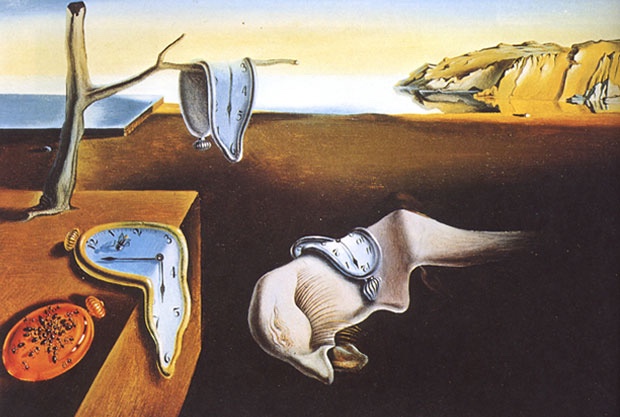
We know that a large part of cognitive behavioral therapy for insomnia (CBT-I) is focused on monitoring your time in bed, your time awake, and your time asleep.
But a scientific study shows that watching the clock doesn't help you estimate your numbers better—it actually makes it worse.
How does the clock interfere?
A study in England1 conducted an experiment to find out what effect monitoring the clock before sleep had.
In the experiment, one group of people was instructed to: "Use the clock to track exactly how long it took them to fall asleep," while the other group was told: "Don't look at the clock."
The findings showed that:
- Those who watched the clock became more anxious and took longer to fall asleep.
- Those who watched the clock overestimated how long it took them to fall asleep, being less accurate than those who didn't even look at the clock, when comparing sleep diary data with actigraphy (a device to measure people's sleep time).
Moral of the story: Watching the clock is worse in every way. You sleep less and estimate your sleep time worse.
So isn't it better to use watches or apps to measure sleep?

A Nature study2 analyzed the difference in CBT-I outcomes between people who used watches to measure sleep data compared to people who only used a sleep diary. The total sample was 3,551 users, and the article's final conclusion was:
improvements in insomnia after completing CBT-I are similar in people who choose to use a wearable device (a watch that automatically measures sleep) and in people who complete a subjective sleep diary
The article shows that using a watch to measure your sleep doesn't help the program, it's just potentially more convenient for your day-to-day life.
And what about apps? That will be the topic of a post dedicated just to them!
A small (super important!) note
In this same English study1 that compared sleep diary data with actigraphy, it was found that people with insomnia overestimated how long it took them to fall asleep.
Second moral of the story: You might be falling asleep faster than you think!
Avoid social media 📵 1 hour before bed
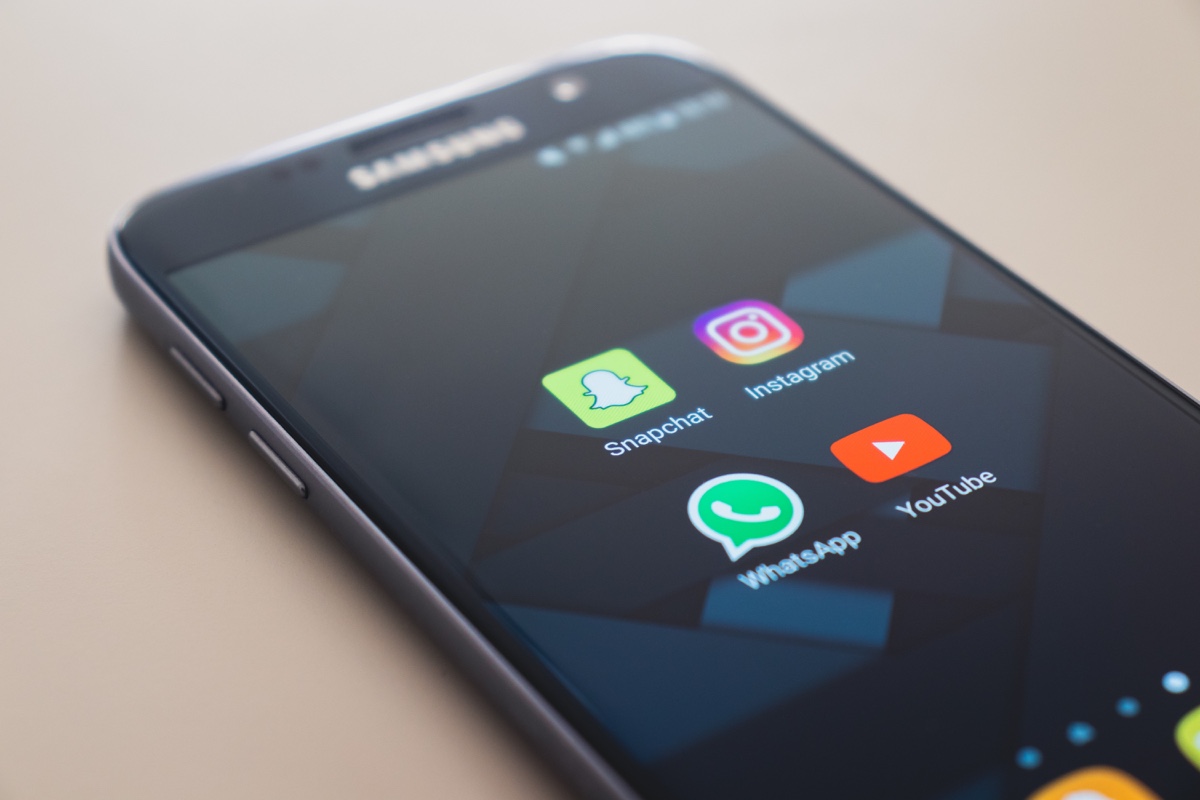
To learn in detail how social media addicts people through dopamine release in the brain with immediate rewards and the negative effects on your health, see this article from Harvard University3.
How does social media disrupt your sleep?
Similar to watching television, using social media keeps your brain alert. Depending on what appears in your news feed, you start thinking about other people, their lives, and considering the world's problems.
Just like watching an action-packed TV show, this can create stress (negative) or excitement (positive). When our body is stressed, it's harder to fall asleep. This is because the hormone that regulates sleep - melatonin - operates inversely to cortisol, the stress hormone. At night, our cortisol production stops, allowing sleep promotion to take over. When you're on social media, increased cortisol levels decrease melatonin production, consequently disrupting your sleep.
I can't live without social media, what do I do?
A study from the University of Texas4 found that taking a break from nighttime social media use 1 hour before bed can result in better sleep quality.
However, going a bit further, another 2016 study in Denmark5 with more than 1,000 participants divided people into two groups. The control group maintained their regular Facebook use, while the other group stopped using Facebook for a week. The group that stopped using Facebook experienced a marked improvement in overall life satisfaction and also exhibited more positive emotions.
So, as a general rule, the less Facebook, Instagram, WhatsApp (it's also a social network), and other social media you use, the better. But if you really need to use them in your day-to-day life, avoid them 1 hour before bedtime.
- https://www.med.upenn.edu/cbti/assets/user-content/documents/Tang2007_SleepingwiththeEnemy-ClockMonitoringintheMaintenanceofInsomnia.pdf↩
- https://www.nature.com/articles/s41746-017-0010-4↩
- https://sitn.hms.harvard.edu/flash/2018/dopamine-smartphones-battle-time/↩
- https://journals.sagepub.com/doi/abs/10.1177/1541931213601814?journalCode=proe↩
- https://www.ncbi.nlm.nih.gov/pubmed/27831756↩