In the last sleep hygiene tips post (see here), we discussed several efforts you could make to regulate your sleep.
As dedicated as you may be, I know that sometimes it's not easy to always have the energy.
That's why this post will cover tips that require less mental or physical effort.
First, we'll talk about alternatives to physical exercise, and then we'll discuss how to use your bedroom to improve your sleep. In summary:
- Raise your body temperature about 60 to 90 minutes before bed through hot baths and teas 🍵.
- Make your bedroom comfortable, free of light 💡 and noise.
- Keep your bedroom at a comfortable temperature 🌡 (17 to 20°C) during the night.
If you already have these 3 tips well incorporated, then it's up to you whether you want to continue reading this text or not. If you're curious, come along!
Raise your body temperature about 60 to 90 minutes before bed through hot baths and teas 🍵.
Why does it help?
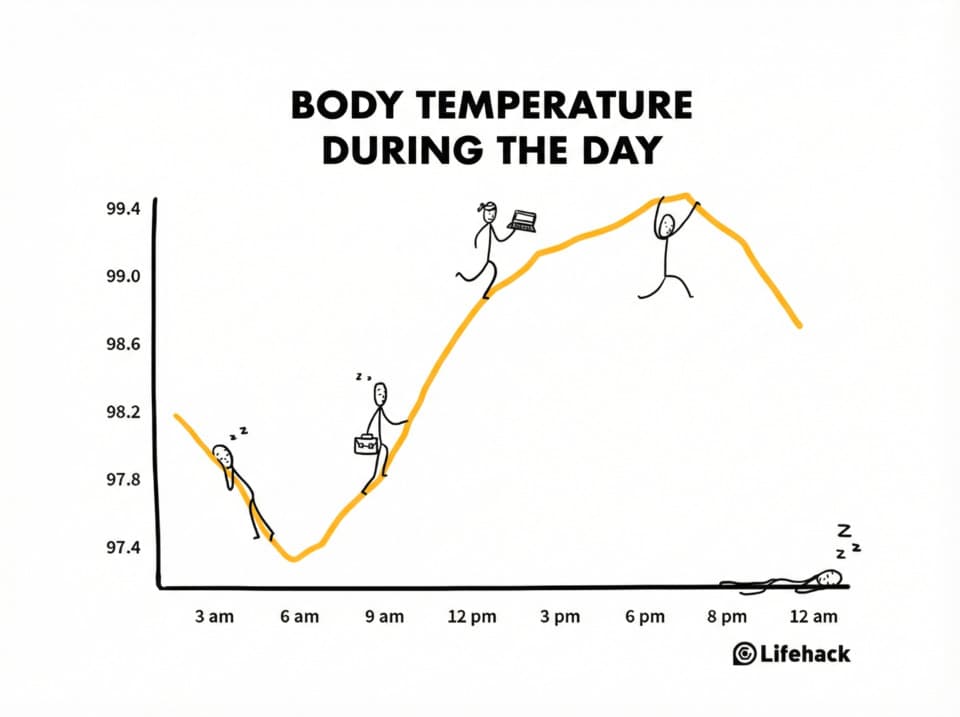
Remember when we talked in the first sleep hygiene tips that one of the main benefits of physical activity for sleep was body temperature regulation - your body heats up during physical activity and then cools down, promoting sleep?
Exactly. I'll say upfront that it's better to engage in physical activities, as they also have other benefits for sleep. But at least regarding body temperature regulation, taking a hot bath or drinking hot tea can be good alternatives!
If you have to choose between doing just one of the options, choose the hot bath - there's more scientific evidence that it promotes better sleep.
But since we've already addressed this topic in that other post (don't miss it if you haven't seen it yet), I wanted to discuss the alternative here: drinking teas can also produce a similar effect, although on a smaller scale.
How can I use this to my advantage?
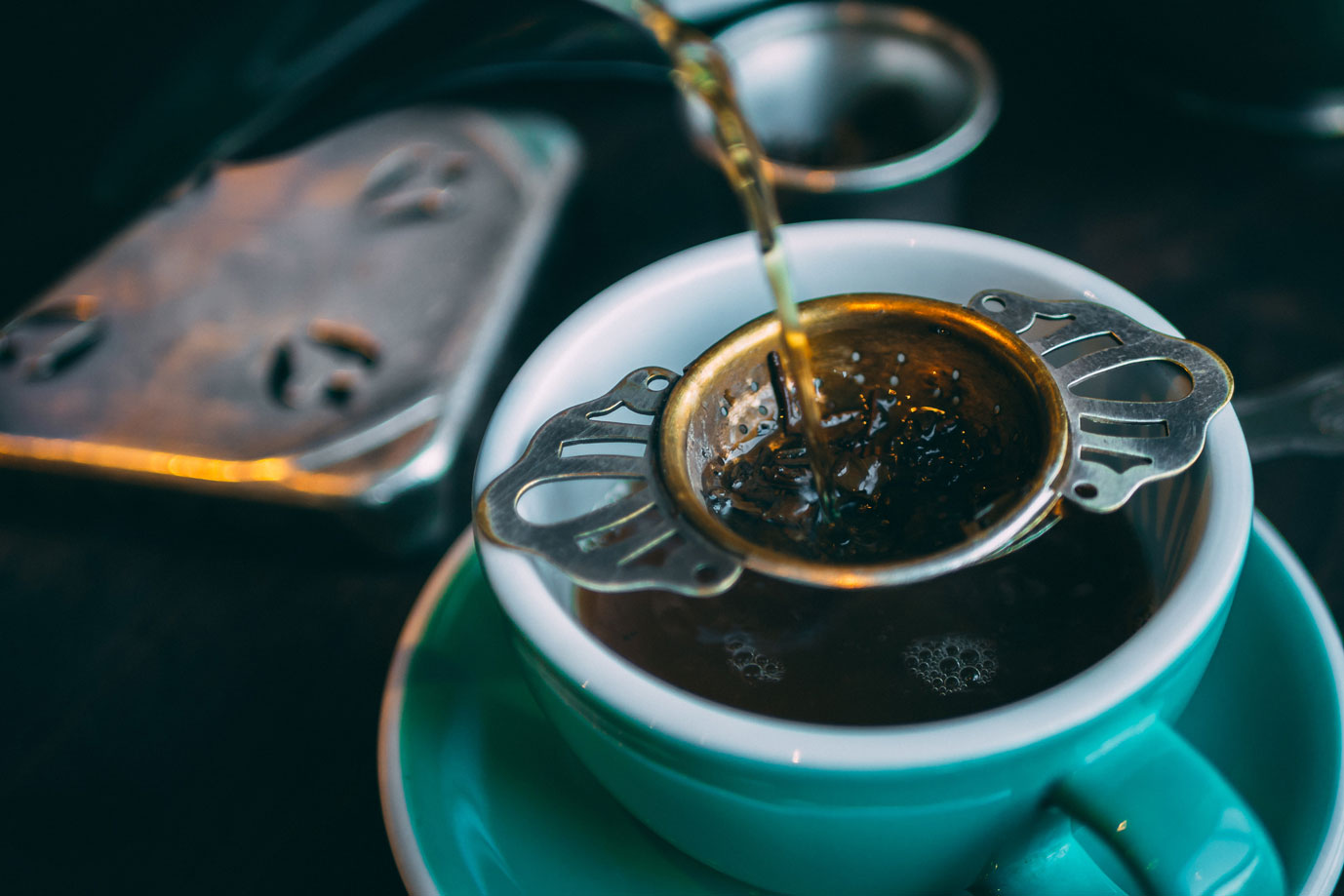
About 60 to 90 minutes before your bedtime, drink a hot tea.
The idea behind this is that after body temperature rises, the cooling that occurs when you lie down to sleep happens more easily and, in addition to promoting sleep, increases the proportion of slow-wave sleep, which is popularly called the "deepest" stage of sleep.1
Now, just a side note - you may have already seen that we recommend not drinking water up to two hours before bed if you have trouble waking up to go to the bathroom. If this is your case, you can try drinking tea at different intervals to see if it makes you need to use the bathroom. For example, try 60 minutes first; if that doesn't work, try 90; if that doesn't work, try 120. Do this until you find your ideal interval.
Can I drink any hot tea to sleep?
No! At least in the evening, avoid teas that contain caffeine, such as: mate tea, black tea, or green tea.
What are the best teas for sleep?
There's no definitive list, partly because few studies have done an extensive analysis of the effects of tea compared to placebos.
Still, the Sleep Health Foundation of Australia2 compiled a collection of the main teas used for sleep against the scientific evidence found for promoting better sleep.
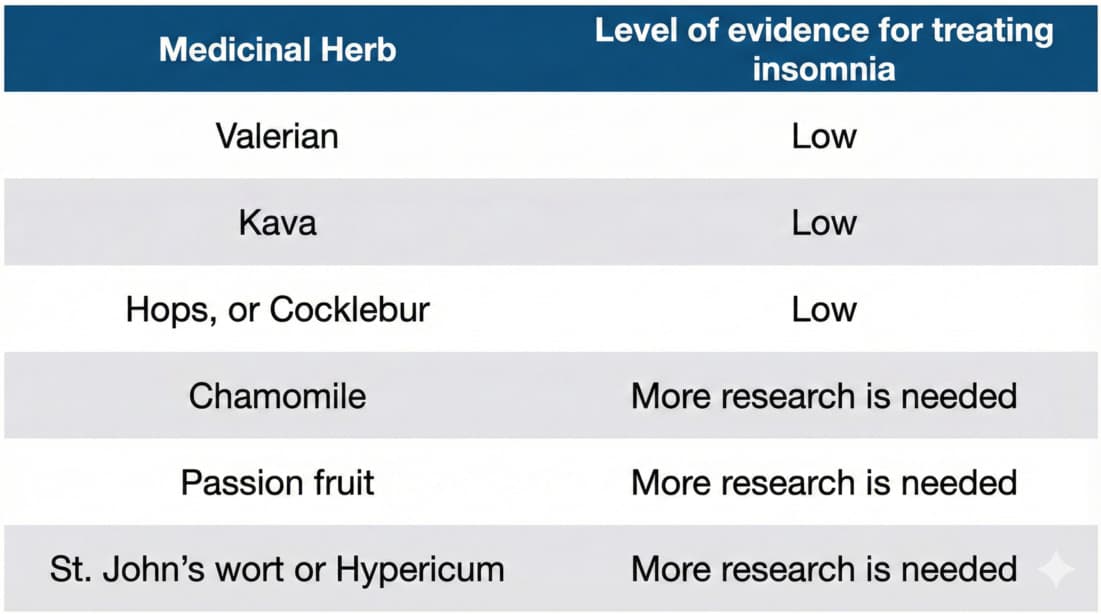
Does this mean there's almost no evidence that these teas help with sleep?
Studies on the effectiveness of herbs for sleep problems haven't always been as thorough as they should be. Sometimes it seems like the treatment works well; however, as with any new treatment, it's important to verify whether this effect isn't simply a placebo effect that could have occurred if a sugar pill had been taken. Many herbal remedy studies have failed to adequately compare results with those of a placebo treatment.
Given this, I prefer to conclude this part by setting clear expectations:
Tea is delicious, but when it comes to sleep, drinking it is the least robust alternative to help you sleep (compared to physical activity and bathing). However, if you already drink tea and believe it's good for you, you can keep drinking it!
Make your bedroom comfortable and free of light 💡 and noise.
Why does it help?
There are some problems related to this topic.
The first is the belief that little noise or little light doesn't harm sleep or cause awakening. This may be true for teenagers, but as we age, these factors can be profoundly disruptive to sleep, even without us realizing it.
For example, one study evaluated the brain activity of people living near airports. It was found that, even though most people reported they hadn't noticed any noise from airplanes, every time a plane passed by, there was disturbance on the electroencephalogram. This type of disturbance is strongly associated with daytime sleepiness and fatigue.
How can I use this to my advantage?
Light: After sunrise, is your bedroom completely dark? If not, it would be important to ensure new insulation on the door or window.
Noise: With the window closed, can you easily hear a truck passing on the street or your neighbors? In this case, consider increasing the amount of insulation in the wall, double-panel windows, and so on.
Most of these options can be very time-consuming and expensive, so the investment is at your discretion.
Aren't there cheaper options?
You can:
- use white noise generators or other sounds that help with sleep.
- use earplugs.
- use sleep masks to block any light source.
- use creativity. Use whatever you have at home or is most accessible to you to block light and sound: mattress, rug, styrofoam, etc.
Now, each of these alternatives has its caveats and will be covered in other posts!
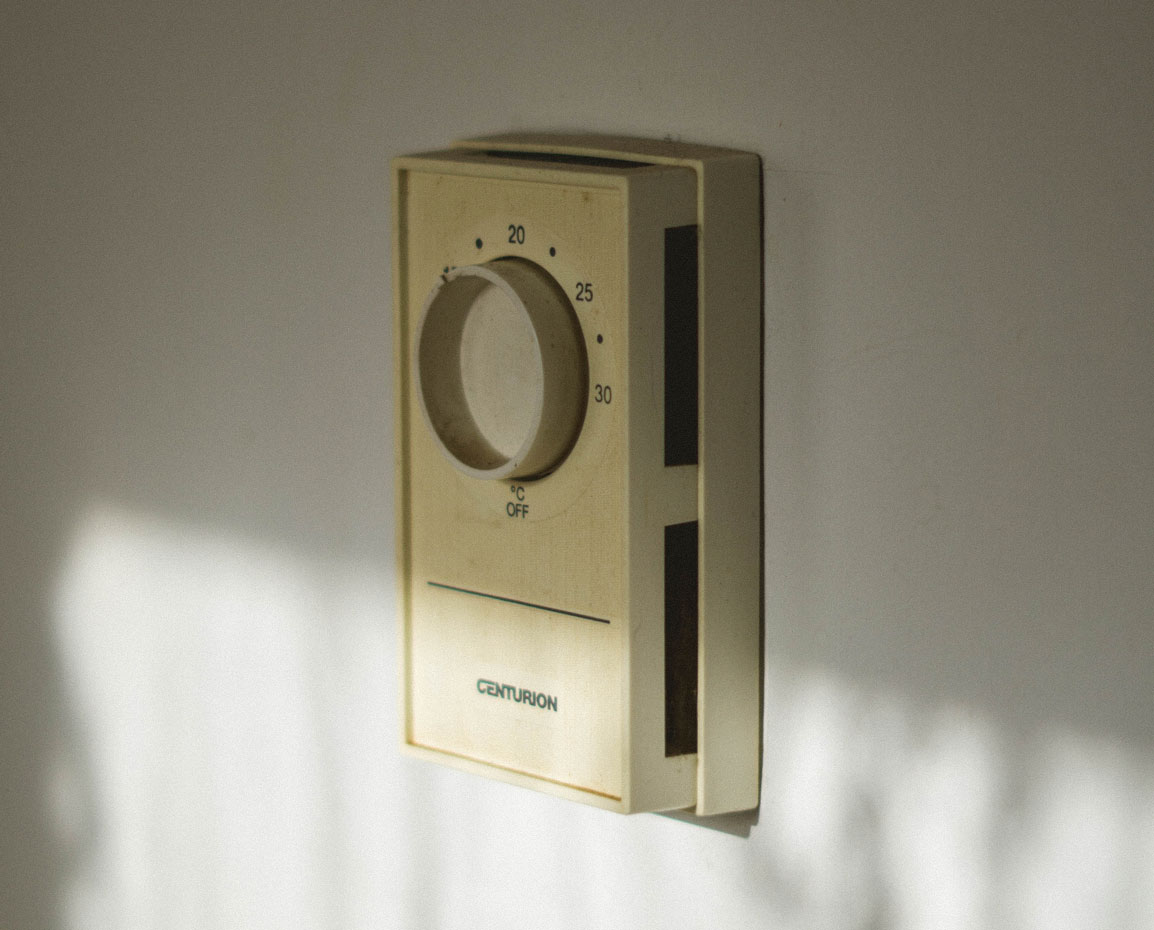
Keep your bedroom at a comfortable temperature 🌡 (17 to 20°C) during the night.
Why does it help?
The general rule is that any extreme temperature harms sleep. But you already know that with too much heat ☀️ or cold ❄️ it's quite difficult to sleep. What may be less obvious is that if you have to choose between the two, go with the latter.
Body temperature varies throughout a 24-hour day, and most people's preferred sleep occurs during the time of day when body temperature is lowest.