Have you ever known a friend or colleague who set themselves a goal:
I won't eat sweets for X months
But in the end, the thing this friend talked about most was the fact that they couldn't eat sweets, and it was noticeable that this person suffered even more without eating sweets than before the diet?
Well, insomnia works in a similar way.
Often you know that you have difficulty falling asleep and you know that worrying about it only makes things worse, but you still can't stop thinking about this difficulty.
Paradoxical Intention
If this is your case, one solution is the paradoxical intention technique. This strategy was initially developed by Dr. Viktor Frankl, known for his book: "Man's Search for Meaning," where he recounts his experience of surviving the Holocaust after going through four concentration camps.
With paradoxical intention, you need to try to achieve the opposite of your goal. For example, if you're working in sales but aren't making enough calls, set a goal to be rejected on every call. Setting the opposite goal (rejection being the opposite of selling in this case) will help you make more calls.
Paradoxical intention works the same way for insomnia, and it follows very simple steps:
- Lie down comfortably in your bed with the lights off, but keep your eyes open.
- Try to stay awake
- Give up any effort to fall asleep and any worry about being awake.
- Now here's the craziest part! When your eyelids seem to want to close, gently tell yourself:
Stay awake for a few more minutes, I'll fall asleep naturally when I'm ready
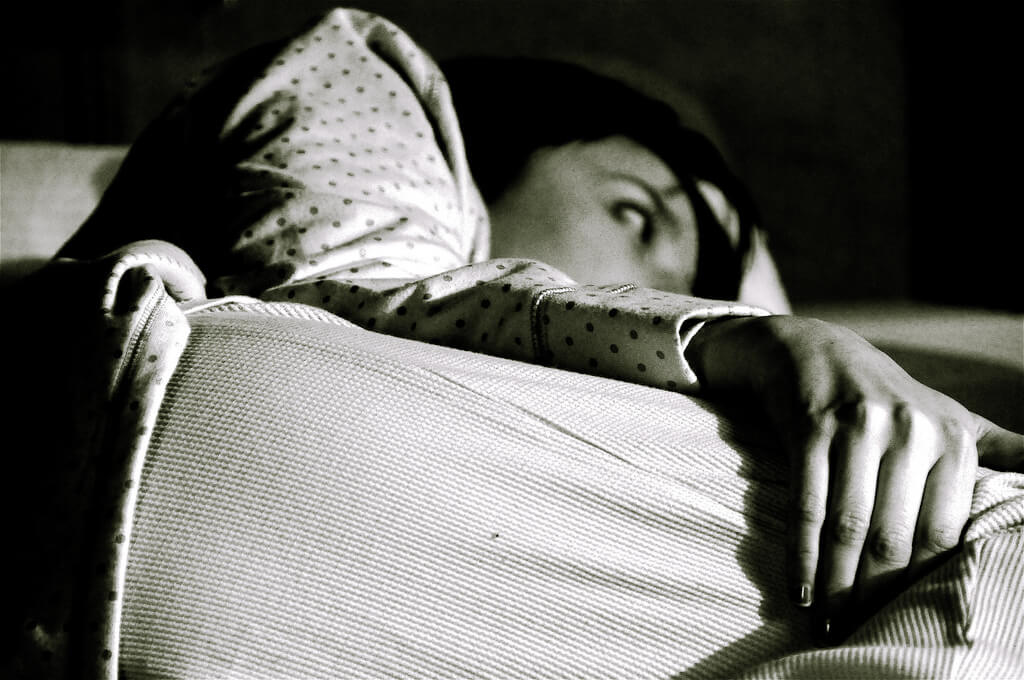
If you forget the 4 steps, just remember: "try to stay awake"
Since you're also practicing stimulus control, this means you only need to stay awake for 20 minutes. If time runs out, you'll get out of bed, wait until you feel sleepy, and try again.
This paradoxical intention technique may seem absurd, but it really helps many people! Studies show that this technique is the most helpful after Stimulus Control and Sleep Restriction, both for those who have difficulty falling asleep and for those who wake up during the night and take a long time to fall back asleep1234.
NOTE: Only use this technique when you're having difficulty sleeping. If you fall asleep easily at the beginning of the night, don't try to practice it at that time, and if during the night after waking up you can fall back asleep quickly, don't practice it during those awakenings.


