Visualization can be a powerful technique to help you relax, relieve stress, and even fall asleep. Instead of focusing on your anxious thoughts, visualization expands your ability to focus on calm and peaceful images.
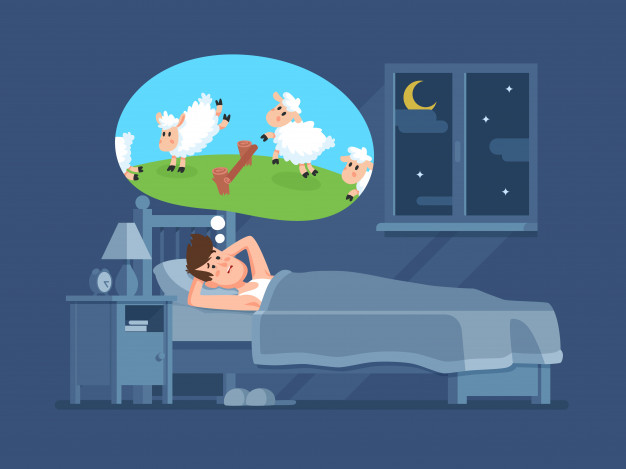
The old example of counting sheep is a form of visualization, but we want to visualize thoughts that connect better with you, so that you feel tranquility rather than boredom.
You should first imagine in your mind places where you felt deep relaxation and tranquility.
The idea is that you relive this experience as vividly as possible (if possible, using your 5 senses) for a few minutes in your head.
Evidence shows that visualization works better when you decide which experience you will think about before practicing the technique, so you don't have to think about what will happen in the moment.
The idea is that each night you repeat this same visualization, because the more you practice, the better you will be able to reproduce this experience, and the better you will be able to engage with your senses.
Step-by-step (prepare now)
We know this is not an easy technique and requires some preparation, so let's do a quick step-by-step now to help you put it into practice later:

- Imagine an outdoor place that you find extremely relaxing. Maybe you're sunbathing on a beach, walking in a park, or some other place.
- SIGHT 👁: Think about what you can see in this place. Do you see any objects, people, trees, or the ocean? The richer the scene you create, the better.
- TOUCH 👣: Can you feel the warmth of the sun on your skin? Do you feel any wind or a light breeze? What surface are you stepping on?
- SMELL 👃: And smells, can you sense any pleasant scents?
- TASTE 👅: What food did you bring with you? Can you imagine yourself eating this food? Can you taste it?
- HEARING 👂: Are you hearing anything? Focus on the sounds of the environment.
That's the idea—imagine as if a little movie were playing in your head, a very peaceful movie. And pay close attention to how each of your senses interacts vividly with the scene.
Unlike other relaxation techniques, for this technique I recommend that you practice it when you're lying in bed ready to sleep.
Suggestions:
- Before starting the visualization, you can first do deep breathing for a few seconds, and then some progressive muscle relaxation. Start the visualization when you're already somewhat relaxed.
- This technique is especially recommended for those who have trouble sleeping due to light, as you can use this "problem" of light to your advantage, as an inspiration to imagine a sunlit setting.
Who else uses this technique?
Visualization gained popularity in the 1980s when the Russians began using the technique to excel in sports after the 1984 Olympics1.
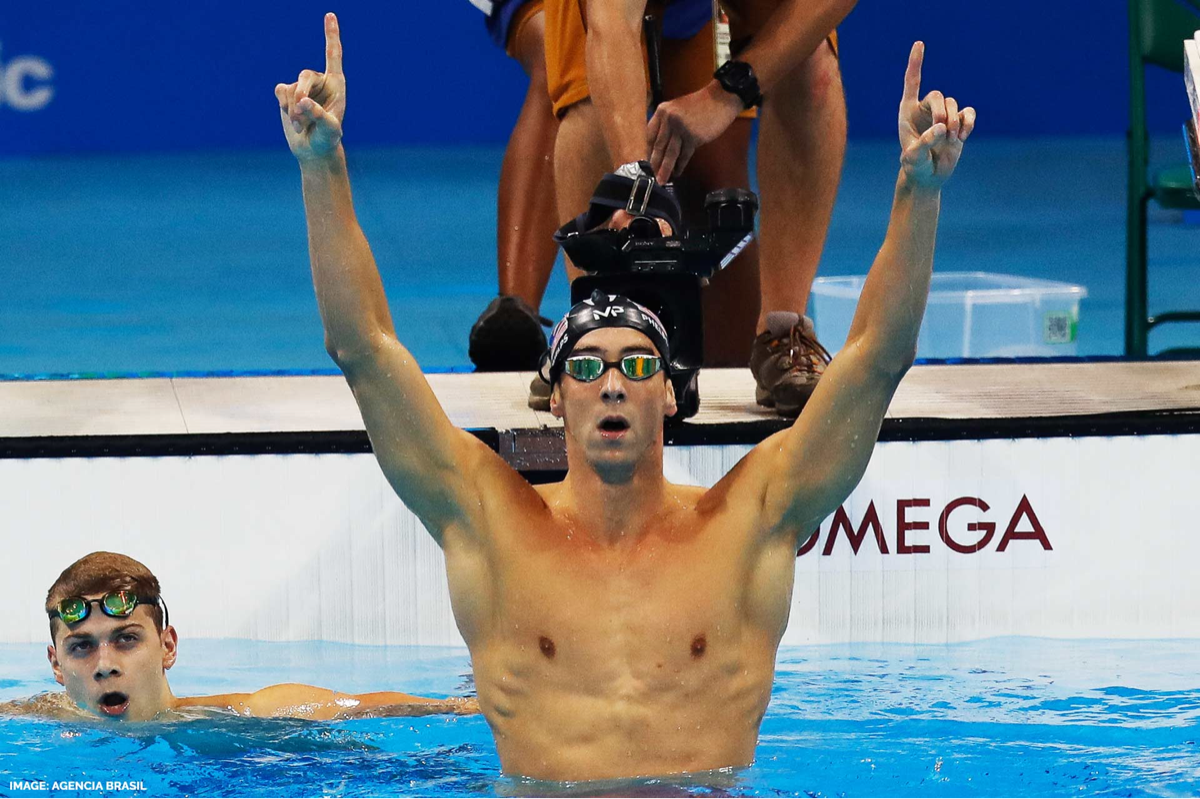
Today, notable athletes like Michael Phelps also employ visualization as part of their winning strategy. "For months before a race, Michael gets into a relaxed state. He mentally rehearses for two hours a day in the pool. He sees himself winning. He smells the air, tastes the water, hears the sounds, sees the clock," said the Olympic swimmer's coach, Bob Bowman, in an interview with Forbes in 2016.
Additionally, this technique has also been scientifically validated to help with insomnia2 3.